
Photo © CHANEL
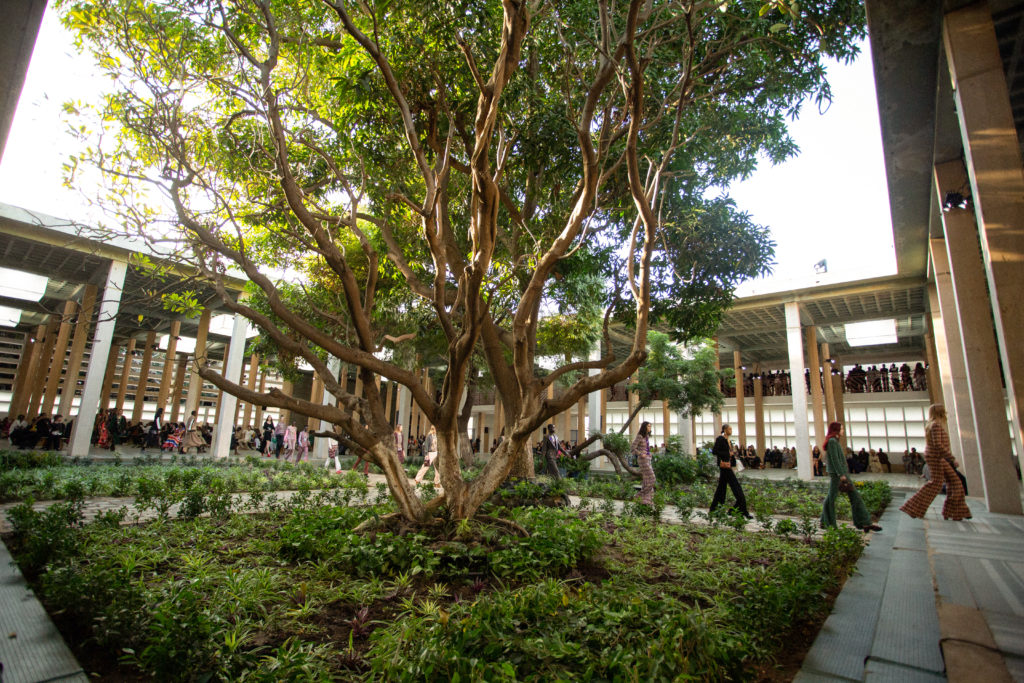
On December 6th 2022, the French luxury brand presented its first Métiers d’art show in Black Africa. It took place in the renovated courtroom, Jamaican-British model Naomi Campbell, Ghanaian British Vogue editor-in-chief Edward Enninful, African-American producer Pharrell Williams, Franco-Congolese writers Abd al Malik and Alain Mabanckou were all happy to be seated at this unprecedented mass.
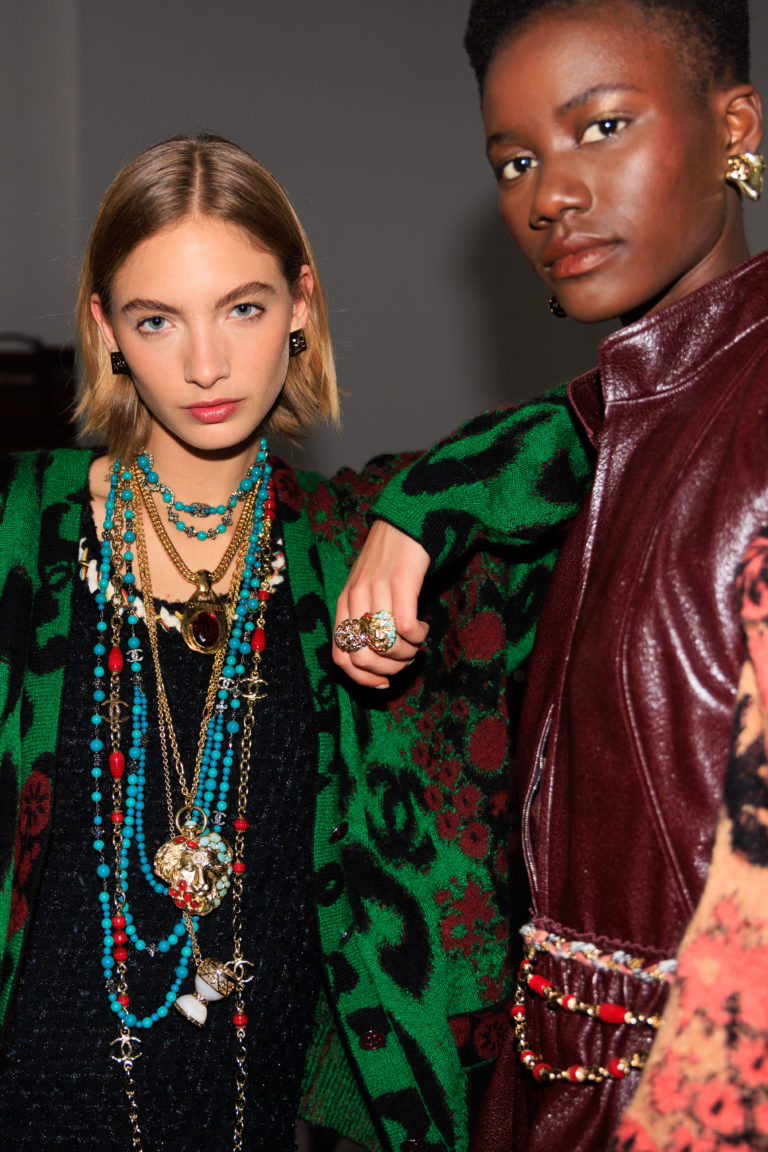
PHOTO © CHANEL
Thanks to this collaborative approach, Chanel brings together more than 850 guests, including 550 artists, designers, students, journalists, and African politicians — some coming from the diaspora. Made in Paris, the Métiers d’art 2022/2023 collection incorporates the know-how of eleven craft houses, including the embroiderer Lesage, the jeweler Goossens and the feather and florist Lemarié, all established in the 19M in Aubervilliers. To those who say Virginie didn’t bust her head for this one, I would tell them that she did not have to. The brand went for simplicity by avoiding coarse references and tokenism, which are quite prominent among the fashion industry. The models were black, Asian, white, thin, shaped… Some are regular models of the house, such as Amanda Sanchez, yet there also were some new faces sent by local agencies. We could identify some subtle reference to the Manjak fabric, and more generally to the traditional Senegalese fashion. Journalist Sophie Fontanel told me the artistic director Virginie Viard had been inspired by Alain Mabankou’s colorful outfits. In my opinion, she managed to transcribe our mothers’ style, who were then young girls in love with freedom in the 60s and 70s, right after the political independence when everything seemed possible as people proudly wore flares, bohemian dresses, charms and wedge-heeled shoes.
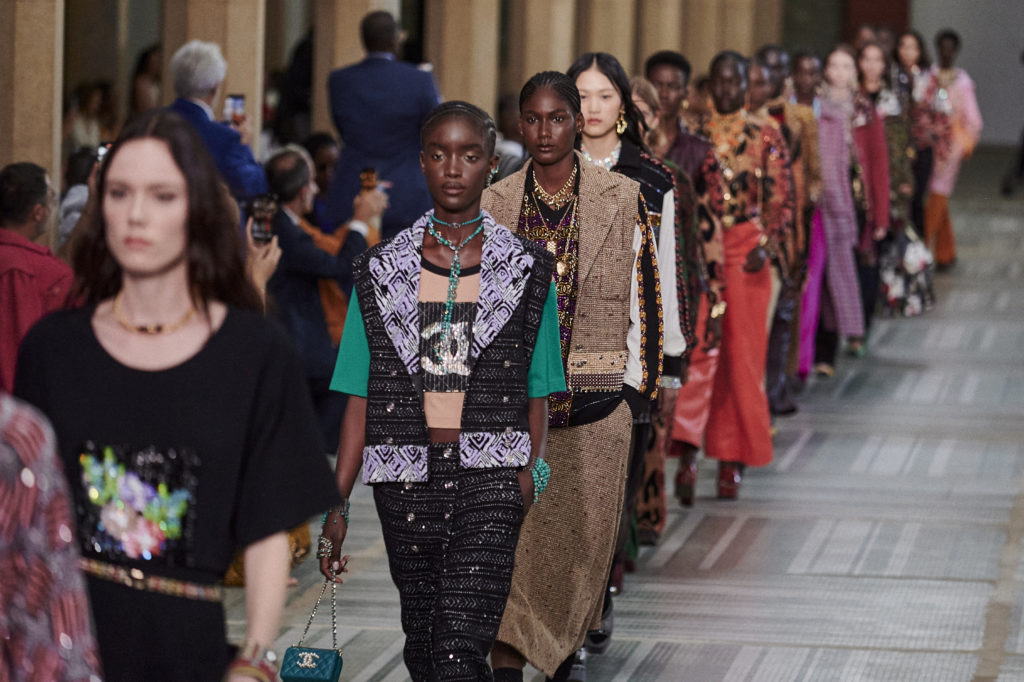
PHOTO © CHANEL
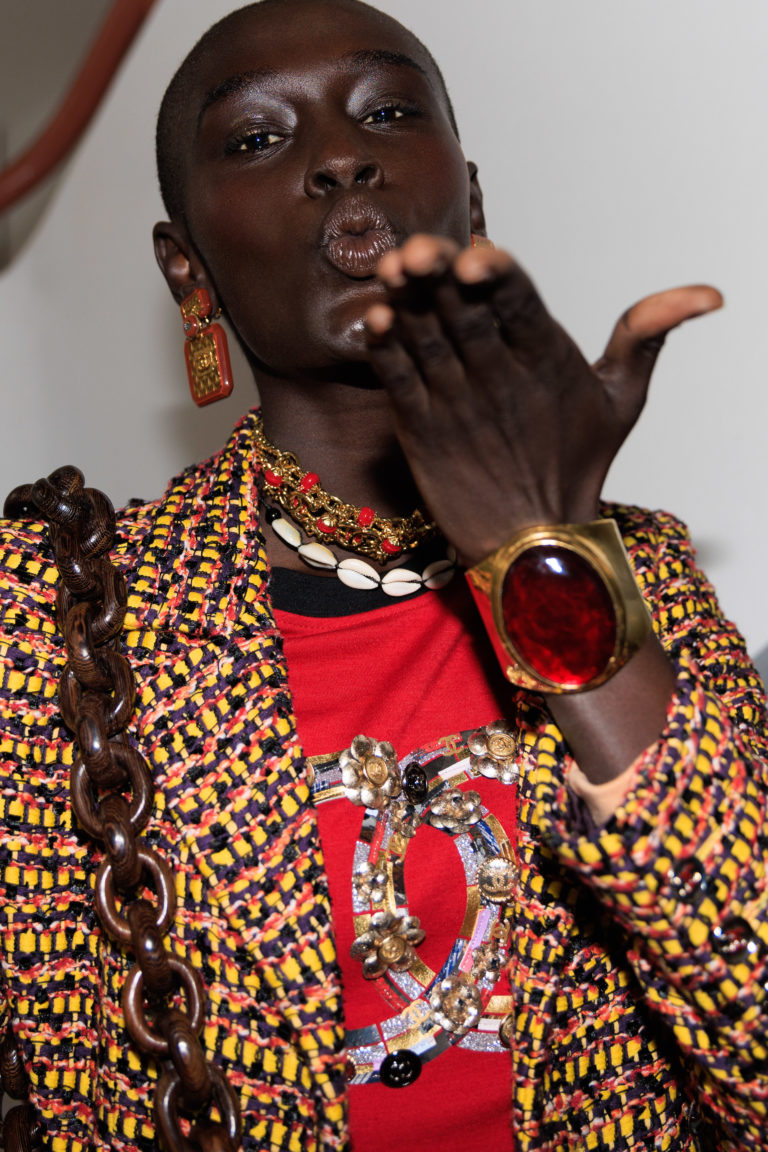
PHOTO © CHANEL
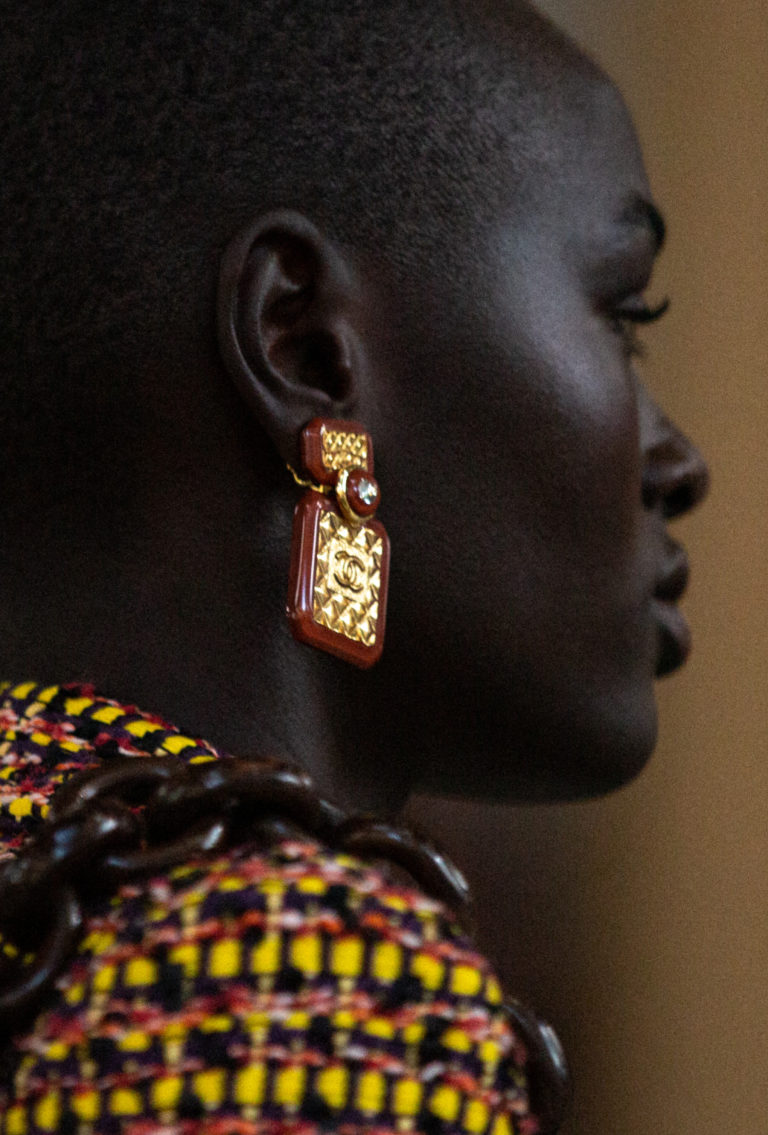
PHOTO © CHANEL
Chanel is used to grandiloquent fashion shows and installations. We already got surprised with a giant supermarket or some real-life rocket, which could even slightly take off the ground. That is not to mention the crazy destinations of shows. From Havana to Miami, the brand does not settle for anything too easy. Nothing is never too beautiful for the French house who long to impress its happy few — guests that were carefully selected. By investing the former Palace of Justice, built in 1957 by French architects Daniel Badani and Pierre Roux-Dorlut, Chanel truly stepped into a show of force in a velvet glove, definitely tackling the critics. The only watchword was do not distort anything. Enveloped by the breeze of Cape Manuel, this building was erected three years before independence, and is also one of the remnants of former French colonization, that is still insidiously present. Virginie Viard decided to install her platform there, for she fell in love with this place during the 2016 Dakar Biennale of Contemporary African Art. However, the gamble was quite dangerous. Choreographer Germaine Acogny wanted to make things clear : “I don’t think Chanel came here to impose anything on us. We cannot accept someone coming to colonize us again, let us be clear.” By funding the restoration of the former courthouse, Chanel is asserting a smart choice, keeping an eye on Dakar. The former courthouse will be named International Arts Palace and it will house a public institution dedicated to culture. Fashion nourishes imagination, and Chanel now chooses not to ignore the realities of Senegal, whose colonial painful past is still reminiscent.
Written by Naïfs’ Team